Blog
Microfiber vs Polyester Fabric: Pros, Cons, and Best Uses
 January 2, 2026
 49 views
Microfiber and polyester are often presented as two different fabrics, especially in bedding. In reality, microfiber is frequently made from polyester, so the terms can overlap on labels. This guide explains what each term means, how they feel and perform, and how to choose for sheets, pillowcases, and duvet covers.
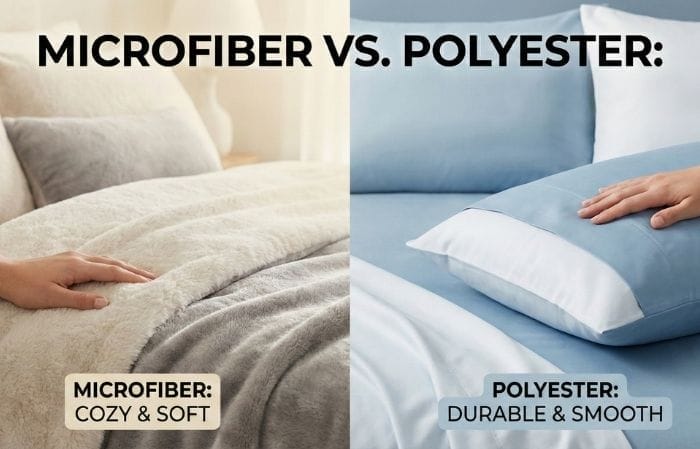
Polyester and Microfiber Meanings
What Is Polyester Fabric
Polyester is a synthetic fiber widely used in home textiles because it is durable, wrinkle resistant, and generally easy to care for. In bedding, polyester appears in sheet sets, duvet covers, and as shell fabrics for comforters and quilts. It is also used in blends to improve strength and reduce wrinkling.
The important nuance is that “polyester” describes the fiber type, not the final feel. Two polyester products can feel very different because yarn quality, weave structure, and finishing can change softness, airflow, and surface texture.
What Is Microfiber Fabric
Microfiber describes very fine fibers rather than a single fiber type. In bedding, microfiber is most often made from fine polyester filaments. That fineness helps create a smoother surface and can make the fabric feel soft right away. Many microfiber products are also brushed to enhance a cozy hand feel.
So when you see “microfiber,” it usually signals a softer surface and tighter construction, but the exact experience still depends on how the fabric is built and finished.
When Microfiber Is Also Polyester
In the bedding market, microfiber is frequently 100 percent polyester. Polyester tells you the fiber category, while microfiber tells you the fibers are very fine and often finished for softness. That is why you will sometimes see listings that say “polyester microfiber,” or simply “microfiber,” even though the underlying fiber is polyester.
A practical shopping shortcut is this: polyester answers “what it is,” microfiber hints at “how it is made and how it may feel.”

Polyester Fabric
Microfiber vs Polyester Fabric
Feel and Comfort
Softness and Texture
Microfiber typically feels soft immediately, especially when brushed. Many people like it because it feels cozy without requiring special care. Standard polyester can also be comfortable, but it has a wider range of hand feel, from smooth and cool to slightly slick, depending on the finish.
If softness is the main goal, microfiber is often the safer pick, but you should still check reviews for how the fabric feels after repeated washing.
Breathability and Warmth
Both microfiber and many polyester fabrics absorb less moisture than natural fibers. Microfiber is often tightly woven and sometimes brushed, which can reduce airflow and feel warmer. That can be a benefit for cool climates or cold sleepers.
If you sleep hot or live in humid conditions, prioritize lighter constructions and smoother finishes. Construction choices, such as weave density and surface finish, usually matter more than the label alone.
Drape and Surface Finish
Microfiber tends to drape smoothly and looks neat on the bed with minimal wrinkling. Brushed finishes can also reduce shine and create a softer, more matte appearance.
Non microfiber polyester fabrics can feel more structured and may look crisper. If you prefer a cleaner, more tailored bed look, a smoother polyester weave may suit you. If you want a softer and more relaxed feel, microfiber is usually a better fit.
Durability and Performance
Pilling and Abrasion
Pilling can happen with both microfiber and polyester bedding, especially in high friction zones. Microfiber that is heavily brushed may pill sooner if the yarn quality is low or if it is dried on high heat. Polyester fabrics can also pill depending on weave tightness and yarn construction.
To reduce pilling risk, wash gently, avoid high heat drying, and look for products with consistent quality signals and strong long term reviews.
Wrinkles and Shape Retention
Polyester is known for wrinkle resistance and good shape retention. Since microfiber is often polyester, it commonly shares these advantages. Both are practical options for busy households, rentals, and hospitality settings where low maintenance matters.
If wrinkle resistance is your priority, either option can perform well, so your decision should focus more on comfort and temperature.
Drying Speed and Moisture Feel
Both fabrics usually dry quickly because they absorb less water, which is helpful for frequent laundering. The tradeoff is that some sleepers feel moisture sits on the surface rather than being absorbed into the fiber.
If that sensation bothers you, look for lighter, smoother constructions and prioritize airflow in the product description and reviews.
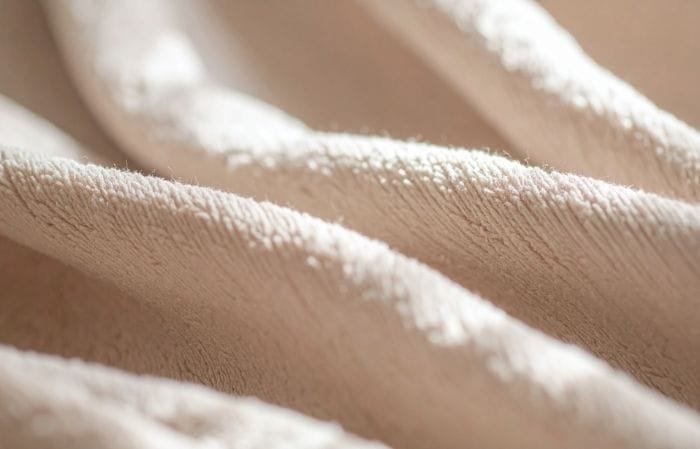
Microfiber Fabric
Care and Cleaning
Washing and Drying Basics
Gentle care helps preserve the fabric surface and reduce pilling. Use mild detergent, avoid overloading the washer, and wash with similar fabrics. Warm or cool water is usually sufficient for routine cleaning.
For drying, low to medium heat is typically safer. High heat can increase static, stress the finish, and accelerate pilling. Removing bedding promptly after drying also helps reduce wrinkles.
Static, Lint, and Pet Hair
Static is common with synthetic bedding, particularly in dry climates. Microfiber can also attract lint and pet hair because fine fibers can grip debris. Lower heat drying, avoiding over drying, and using dryer balls can help. It also helps to wash microfiber separately from lint heavy items like towels.
If pet hair is a constant issue, a smoother finish often collects less hair than heavily brushed surfaces.
How to Choose for Bedding and Home Textiles
Best for Hot Sleepers vs Cold Sleepers
Cold sleepers often prefer microfiber because it can feel warmer and cozier, especially when brushed. Hot sleepers may find microfiber too insulating and may prefer lighter polyester constructions with smoother finishes. Match the fabric to your temperature pattern, then validate your choice with feedback from long term user reviews.
Best for Budget vs Long Term Use
Microfiber is often a strong budget option, especially for guest rooms or frequent replacement cycles. For long term use, build quality matters more than the label. Better yarns, consistent finishing, and reliable construction typically hold up better and feel more consistent over time.
Best by Item: Sheets, Pillowcases, Duvet Covers
For sheets, microfiber is popular for softness and easy care, while lighter polyester constructions can feel cooler on contact depending on finish. For pillowcases, consider heat and friction, since face and hair contact can make warmth and static more noticeable. For duvet covers, microfiber often drapes well and stays neat, while some polyester weaves deliver a more structured look.
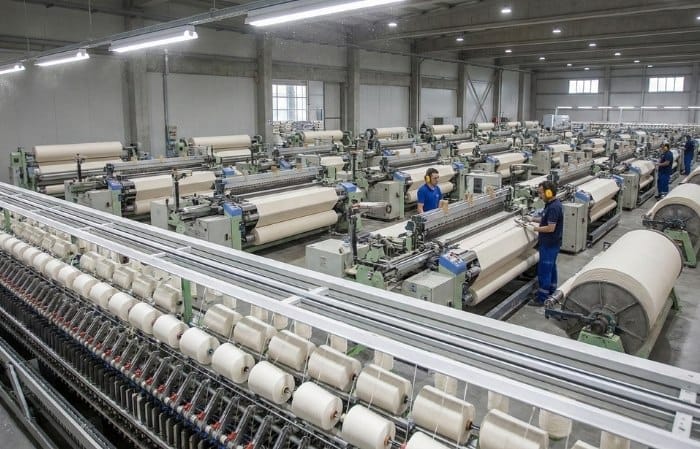
Polyester and Microfiber Bedding Manufacturer
If you are sourcing bedding for hospitality projects, retail programs, or bulk orders, I recommend treating “microfiber” and “polyester” as starting points, then locking down the exact construction and finish in writing. In my experience, most quality issues in polyester or microfiber bedding are not caused by the fiber name on the label, but by inconsistent specifications across batches. That is why I suggest working with a manufacturer that can align on targets like hand feel, weave or surface finish, and durability expectations for repeated laundering.
QL Textiles is the brand of Nantong Kelin Textile Co., Ltd., established in 2004, and it focuses on supplying mid to high end textile products for hotels and inns. Its product scope covers core bedding categories such as pillowcases, bed sheets, duvet covers, duvets, pillows, multi purpose quilts, protectors, and bed scarves, which can help you keep the room set consistent rather than mixing suppliers item by item.
If you want to discuss your specifications, sampling plan, and how to keep repeat orders consistent, you can start here with QL Textiles as a polyester and microfiber bedding manufacturer.
Conclusion
Microfiber and polyester are closely related in bedding, and microfiber is often a fine filament form of polyester rather than a separate material. Microfiber typically offers an immediately soft, cozy feel, while polyester varies more by weave and finish. Choose based on sleep temperature, preferred texture, and laundry habits. If you are sourcing at scale, contact QL Textiles to discuss specifications and consistency needs.

FAQs
Is microfiber the same as polyester?
Often, yes. In bedding, microfiber is frequently made from polyester. Microfiber describes very fine fibers, while polyester describes the fiber category. Many microfiber products are polyester, but polyester products are not always microfiber.
Which feels softer?
Microfiber usually feels softer right away, especially if brushed. That said, softness depends on yarn quality, weave, and finishing, so some well made polyester fabrics can also feel very smooth.
Which is more breathable?
Breathability depends more on construction than the label. Microfiber is often tightly woven and can feel warmer. Lighter polyester constructions with smoother finishes may feel less insulating, but fabric build is the deciding factor.
Which fabric pills less?
Either can pill. Risk increases with lower quality yarns, heavy brushing, high heat drying, and high friction. Gentle washing, lower heat drying, and better construction quality typically reduce pilling over time.
Recommended reading:
Conclusion
Microfiber and polyester are often presented as two different fabrics, especially in bedding. In reality, microfiber is frequently made from
Leave a Comment
 Feb 12, 2026