Blog
Examples of Household Linens
 December 24, 2025
 62 views
Household linens are reusable home textiles that support comfort, hygiene, and daily routines. They include bedding, towels, tablecloths, and kitchen cloths, plus soft furnishings like cushion covers. Knowing the main categories helps you shop smarter, build practical sets, and care for fabrics so they stay fresh and durable over time.
Household Linens Examples List
Bed linens
- Sheets (fitted, flat)
- Pillowcases and shams
- Duvet covers and quilt covers
- Mattress and pillow protectors
- Throws and lightweight blankets
If you are sourcing bed textile collections for retail or hospitality, explore a household bedding linen manufacturer for cohesive sets and consistent quality.
Bath linens
- Bath towels and bath sheets
- Hand towels
- Washcloths and face towels
- Bath mats
- Robes and spa wraps
For coordinated towel programs and bath essentials, consider a bath linen manufacturer that can support repeatable specs and color matching.

Table linens
- Tablecloths
- Runners
- Placemats
- Cloth napkins
- Chair covers
Table linens are often purchased for two different needs. One is daily use, where easy cleaning and stain resistance matter most. The other is hosting and events, where texture, drape, and an elevated look usually take priority.
Kitchen linens
- Dish towels and tea towels
- Dishcloths
- Aprons
- Oven mitts and pot holders
- Cleaning cloths
Kitchen linens see the most wear. It helps to keep separate hand towels and separate “work towels” for cleanup. This reduces odor transfer and keeps higher-quality pieces looking better for longer.
Window and home textiles
- Curtains and drapes
- Sheers and liners
- Cushion covers
- Slipcovers
- Decorative pillows
In many stores, “linens” can include soft home textiles beyond sheets and towels. Curtains, cushion covers, and slipcovers are often grouped in the same category because they are sewn home textiles and are bought and cared for in similar ways.
Baby linens
- Crib sheets
- Changing pad covers
- Swaddles
- Hooded towels
- Burp cloths
For baby items, softness and washability usually matter most. Choose fabrics that handle frequent laundering and dry efficiently without becoming rough.
Guest linens
- Guest towels
- Extra sheet sets
- Spare pillowcases
- Laundry bags
- Travel towels
A simple guest set reduces last-minute stress. Keep one spare sheet set and a small stack of towels in a breathable storage bag so they stay fresh between visits.
Linens by Room
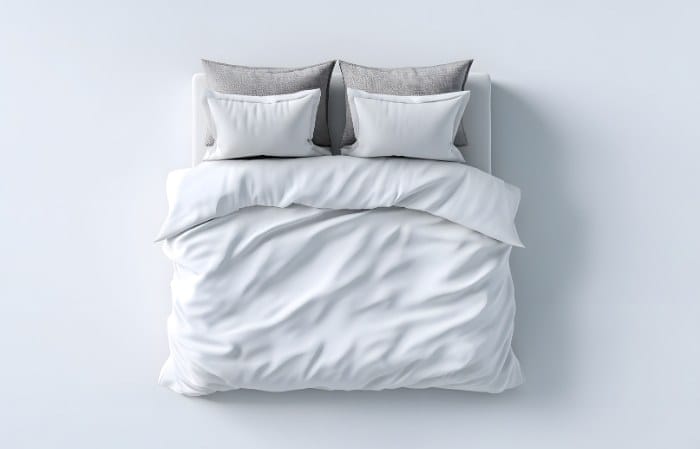
Bedroom list
- Core set: sheet set, pillowcases, duvet cover
- Protection: mattress protector, pillow protectors
- Climate add ons: cooling blanket, warmer throw
- Buying focus: fit, breathability, easy care
Bedroom linens are the most personal. If you sleep hot, prioritize breathable fabrics and lighter weaves. If low maintenance is the priority, look for options that wash well and keep their feel after repeated cycles.
Bathroom list
- Core set: bath towels, hand towels, washcloths
- Floor: bath mat
- Comfort: robe or wrap
- Buying focus: absorbency, drying speed, durability
In humid climates or small bathrooms, drying speed can be just as important as absorbency. A towel that dries quickly tends to smell fresher and can last longer. Regular rotation also helps reduce wear.
Kitchen list
- Core set: dish towels, dishcloths
- Cooking: apron, oven mitts
- Cleaning: microfiber or cotton cloths
- Buying focus: lint level, stain resistance, washability
Choose kitchen textiles based on tasks. Low-lint towels work better for glassware and polishing. More textured cloths are better for wiping counters and handling spills.
Dining list
- Core set: tablecloth or runner, cloth napkins
- Daily use: placemats
- Hosting: extra napkin set, chair covers if needed
- Buying focus: sizing, wrinkle control, stain resistance
For tablecloth sizing, measure the tabletop and decide the drop you want on each side. For everyday dining, placemats can be a practical alternative that washes easily and stores flat.
Living room list
- Core set: throw blanket, cushion covers
- Style: decorative pillows, slipcovers
- Buying focus: texture, colorfastness, easy cleaning
Living room textiles need to balance appearance and durability. If you have pets or children, washable covers and more forgiving colors can reduce visible wear and simplify cleaning.
Linens by Use
Everyday basics
Everyday basics include the linens you use weekly, such as sheet sets, towels, dish towels, and a few cloth napkins. Buying multiples supports rotation and makes laundry schedules easier. For most homes, easy-care fabrics in medium weights perform well across seasons.
Seasonal picks
Seasonal linens shift based on climate and indoor conditions. In hot or humid environments, lightweight and quick-drying options can feel more comfortable and stay fresher. In cold seasons, warmer layers such as heavier blankets and thicker throws add comfort without replacing the whole bedding setup.
Hosting linens
Hosting linens are about speed and presentation. Extra towels, spare pillowcases, and a backup sheet set make guest changeovers simple. For dining, coordinated napkins and a runner can elevate the table with minimal effort.
Allergy and pet options
Protectors can reduce exposure to dust and make frequent washing easier. Washable covers and steady rotation help keep fabrics fresh. For pets, consider tighter weaves, removable covers, and textiles that hold shape through repeated laundering.
Small space kits
In small spaces, build a compact linen kit with fast-drying towels, minimal bedding sets, and multipurpose cloths for kitchen and cleaning. Prioritize items that fold small, dry quickly, and store well in breathable bags or bins.

Names $ Terms
Linens vs bedding vs soft furnishings
These words are used differently across regions and retail categories. “Linens” may refer to bed and bath essentials, or it may include broader home textiles. “Bedding” typically means items used on the bed, such as sheets, duvet covers, and pillowcases. “Soft furnishings” often includes curtains, cushion covers, and other decorative textile items.
Common naming differences by region
Terminology varies by market. “Duvet” is common in many regions, while “comforter” is more common in North America. “Tea towel” is common in the UK and parts of the Commonwealth, while “dish towel” is more common in the US. “Face towel” can overlap with washcloths depending on local naming habits.
Popular size terms that confuse buyers
Size labels are not always consistent across brands or countries. A “king” pillowcase in one market may not match another. Towel labels like “bath sheet” can also vary by brand. The most reliable approach is to check measurements, not just size names.
Conclusion
Household linens include far more than sheets and towels. When you group items by room and by use, you can choose the right fabrics, buy the quantities you actually need, and avoid common sizing and care mistakes. For brands, hotels, and project buyers, consistency matters as much as style. If you are sourcing collections at scale, work with a household linen manufacturer that can support repeat specs, sampling, and reliable delivery.
FAQs
What are the most common household linens?
Most homes use a core set of bed linens, bath towels, kitchen towels, and a few dining textiles. From there, many households add protectors, throws, cushion covers, and guest extras based on lifestyle, climate, and how often they host.
Are curtains considered household linens?
They can be. Some retailers group curtains, sheers, and cushion covers under “linens” because they are sewn home textiles with similar care needs. In everyday conversation, some people reserve “linens” for bed and bath items only.
What is the difference between linens and bedding?
Bedding is the subset used on the bed, such as sheets, duvet covers, and pillowcases. Linens can mean bedding, bath items, table textiles, and other home textiles, depending on region and store category.
What are the best linens for hot weather?
For hot climates, prioritize breathable fabrics and lighter constructions, plus items that dry quickly. A cooling sheet set, a lightweight blanket, and quick-dry towels often improve comfort more than adding heavier layers.
How many sets of sheets and towels should you own?
A practical baseline is two to three sheet sets per bed and enough towels to cover your laundry schedule. If you host guests often or live in humid conditions, extra sets can reduce stress and help keep items fresher between washes.
Where can you buy household linens in bulk?
Bulk purchasing works best when measurements, fabric composition, and care requirements are clearly specified. Look for suppliers that provide consistent specs across repeat orders, offer sampling, and maintain quality control that matches your market and positioning.
Related reading:
Conclusion
Household linens are reusable home textiles that support comfort, hygiene, and daily routines. They include bedding, towels, tablecloths, and kitchen
Leave a Comment
 Feb 25, 2026