1. What is the difference between a mattress pad, mattress protector, and mattress topper? ▼
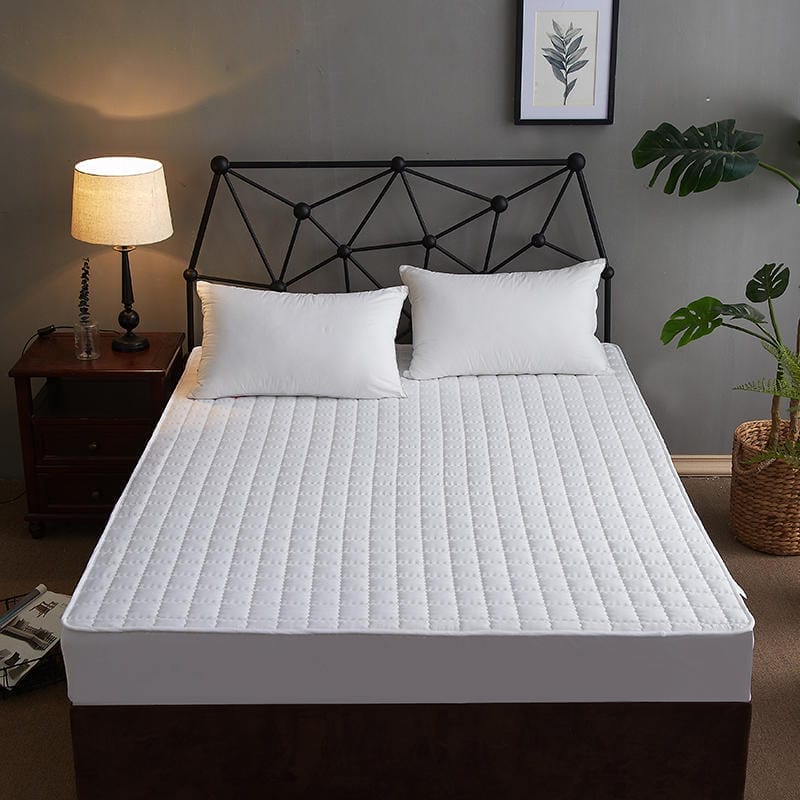
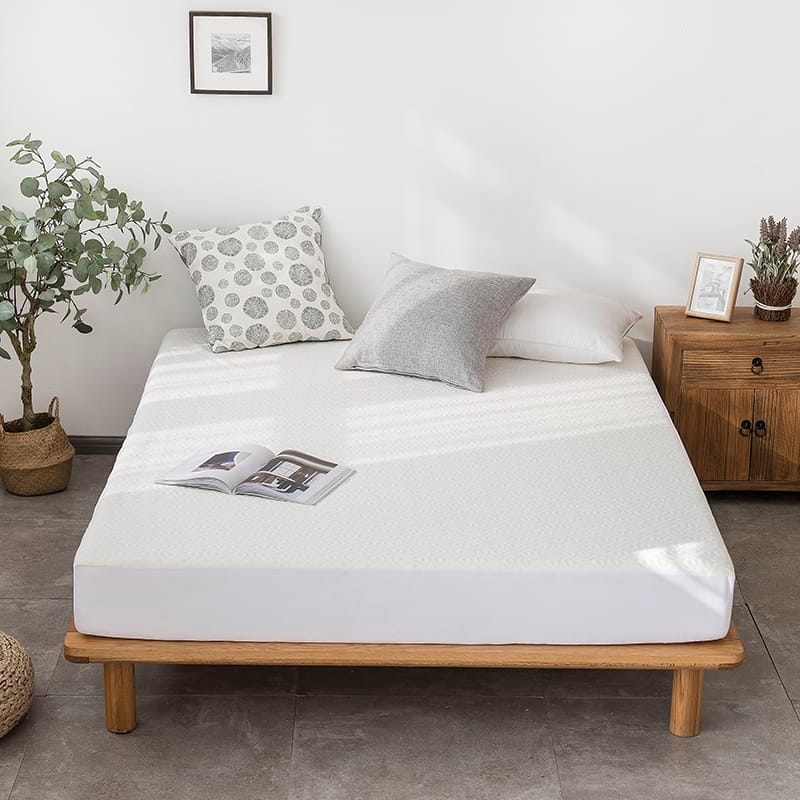
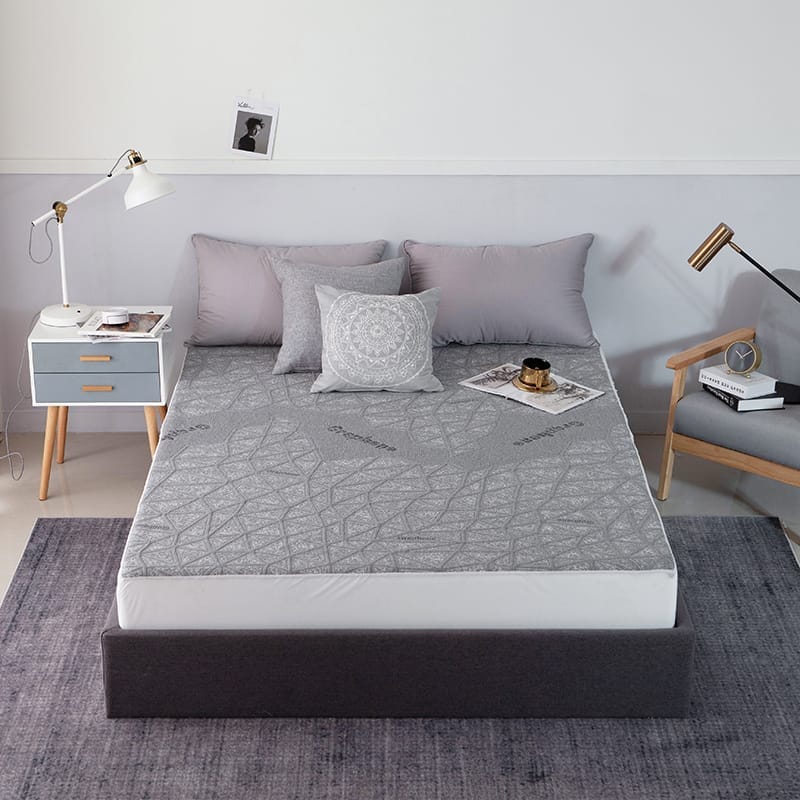
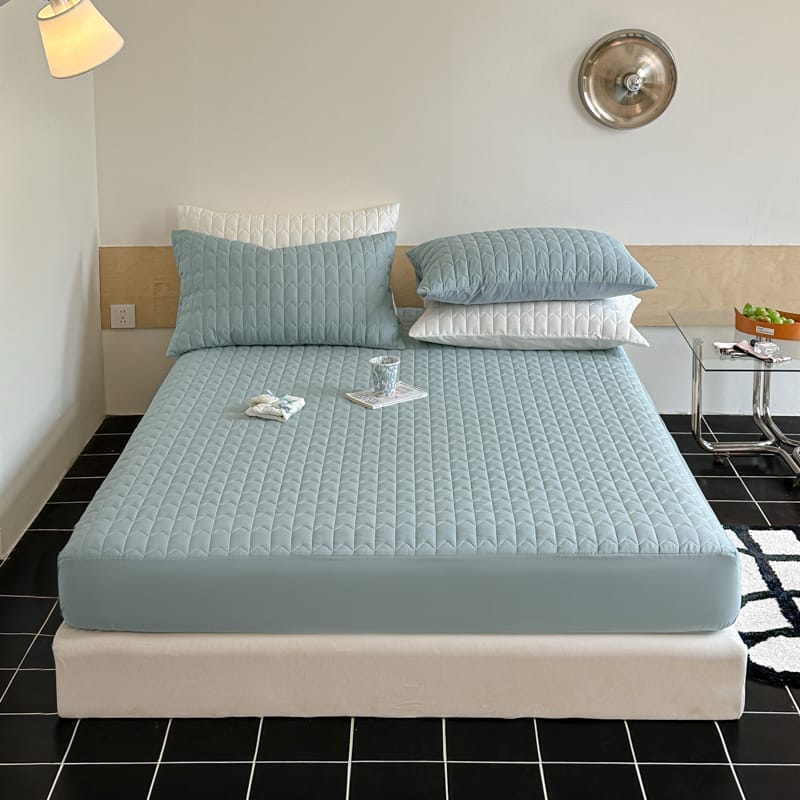
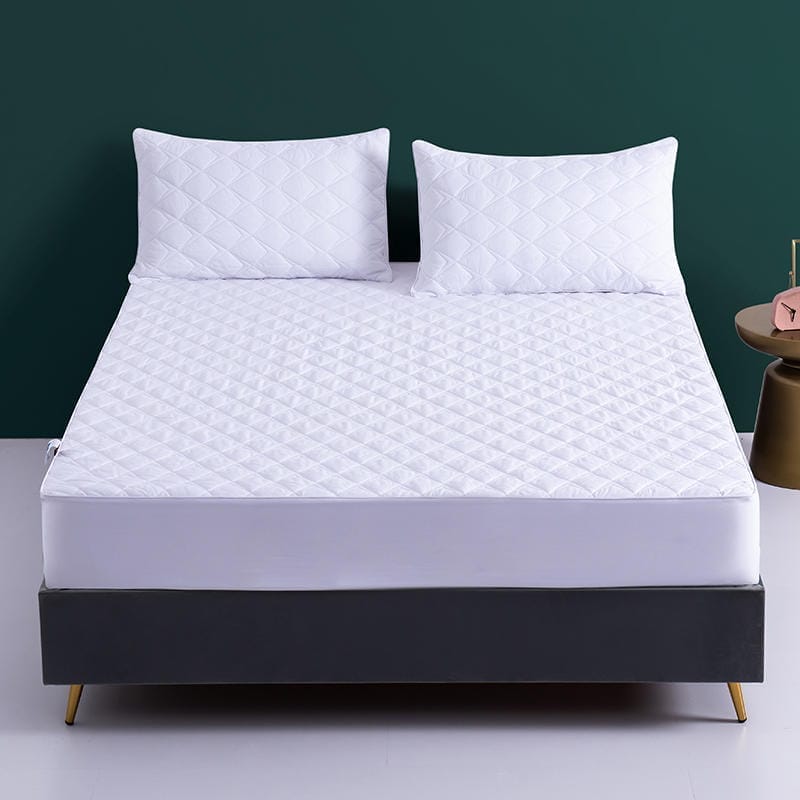
A pad is mainly a thin comfort layer and a cleaner surface under the sheet. A protector is primarily about barrier protection against spills and allergens. A topper is the comfort changer, usually thicker, used to adjust plushness and pressure relief.
2. When do hotels need a waterproof protector instead of just a pad? ▼
If you need reliable liquid protection, use a waterproof protector or an encasement with a waterproof barrier. A standard pad can absorb light moisture, but it is not designed to stop larger spills from reaching the mattress.
3. What wash temperatures work best for commercial laundering of fitted mattress pads? ▼
Many commercial care guides recommend washing fitted mattress pads in a controlled warm range rather than very hot cycles, then standardizing the process so results stay consistent property to property.
4. What is the biggest cause of early failure for waterproof protectors? ▼
High dryer heat is a common culprit because it can stress the waterproof membrane and shorten service life. When in doubt, follow the label and keep tumble drying on low heat.
5. Should bleach be avoided in a commercial laundry program for pads and protectors? ▼
In many care instructions, bleach is restricted or discouraged because it can damage fibers, coatings, and finishes over time. If whitening control is needed, it is safer to align chemistry to the product care guidance rather than pushing aggressive bleach.
6. Do mattress pads and encasements help with allergens like dust mites? ▼
They can. Products positioned for hospitality and healthcare often highlight barrier protection against allergens and dust mites, with full encasements offering more complete coverage than a top only layer.
7. Mattress protector vs mattress encasement, which is better for bed bugs? ▼
For bed bug risk management, an encasement is typically the stronger option because it fully encloses the mattress and relies on the zipper and barrier fabric to block penetration. A protector usually focuses on liquid and stain protection, not full perimeter containment.
8. How should we layer pads, protectors, and toppers for hotel operations? ▼
A common setup is protector closest to the mattress for barrier protection, then a pad for a smooth sleep surface, then a topper only when you want a noticeable comfort upgrade. This keeps protection consistent while letting you standardize comfort by room type.