Blog
2026 Biggest 10 Textile Companies in Pakistan
 January 16, 2026
 75 views
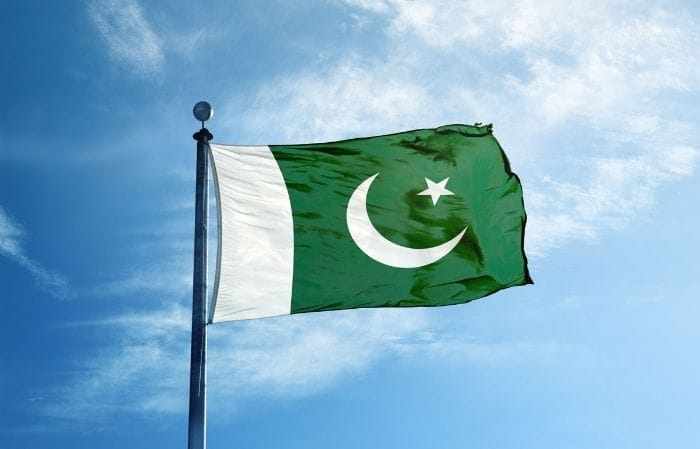
As of 2026, the Pakistani textile industry remains the backbone of the national economy, contributing over 60% of total export earnings. This sector has successfully transitioned toward high-value-added products and sustainable manufacturing. The leading companies are now global benchmarks for efficiency, providing high-quality garments and home textiles to the world’s most prestigious brands.
Textile Industry in Pakistan Overview
The textile sector is the largest manufacturing industry in Pakistan, benefiting from a complete value chain from cotton picking to finished apparel. In 2026, the industry is operating under the National Textile Policy, which emphasizes digitalization and “Green” manufacturing. With major hubs in Faisalabad, Karachi, and Lahore, the industry supports millions of livelihoods and continues to attract significant foreign investment through its modernization efforts.
Criteria for the Ranking
The companies selected for this 2026 ranking are evaluated based on three primary pillars:
- Export Volume: Total annual revenue generated through international trade.
- Vertical Integration: The ability to manage the entire process from spinning and weaving to stitching.
- Sustainability & Workforce: Investments in LEED-certified facilities and the scale of human capital.
2026 Top 10 Largest Textile Mills in Pakistan
| Company Name | Headquarter State | Estimated Employees | Annual Revenue (Estimated 2025/26) |
| Interloop Limited | Punjab | 37,000+ | $600 Million+ |
| Style Textile (Pvt) Ltd | Punjab | 30,000+ | $550 Million+ |
| Artistic Milliners | Sindh | 20,000+ | $450 Million+ |
| Gul Ahmed Textile Mills | Sindh | 17,000+ | $560 Million+ |
| Soorty Enterprises | Sindh | 10,000+ | $400 Million+ |
| Nishat Mills Limited | Punjab | 27,000+ | $740 Million+ |
| Feroze1888 Mills Limited | Sindh | 12,000+ | $350 Million+ |
| Yunus Textile Mills | Sindh | 11,000+ | $420 Million+ |
| Artistic Fabric & Garment | Sindh | 22,000+ | $300 Million+ |
| Masood Textile Mills | Punjab | 24,000+ | $250 Million+ |
1. Interloop Limited
Established in 1992, Interloop Limited has evolved from a specialized hosiery manufacturer into a diversified textile giant. It is currently recognized as the largest textile exporter in Pakistan and one of the world’s premier hosiery producers.
The company maintains a massive global footprint as a primary supplier for brands like Nike, Adidas, and H&M. Beyond its production scale, Interloop is a leader in sustainable manufacturing, boasting the highest-scoring LEED Platinum-certified apparel plant in Pakistan. Its commitment to the “hosiery to apparel” transition has solidified its position as a top-tier partner for eco-conscious Western retailers in 2026.
Official Website: https://www.interloop-pk.com/
2. Style Textile (Pvt) Limited
Founded in 1992, Style Textile is a Lahore-based powerhouse that specializes in world-class knitwear and apparel. It has consistently maintained its position at the top of the export charts through continuous innovation in performance fabrics.
This firm stands out for its high-performance athletic apparel, supplying a significant portion of global sportswear for major international labels. The company has invested heavily in AI-driven logistics and automated stitching lines, which drastically reduces lead times. In 2026, their focus on “Speed to Market” and performance fabric R&D makes them a dominant force in the global apparel supply chain.
Official Website: https://www.styletextile.com/
3. Artistic Milliners
With a history dating back to 1949, Artistic Milliners is a global leader in the denim industry. The company operates some of the most advanced vertically integrated denim facilities in the world, based primarily in Karachi.
The company is widely celebrated for its “Circular Denim” initiatives, which focus on creating fully recyclable products. They have effectively future-proofed their operations by generating 100 MW of wind energy, significantly reducing their carbon footprint. In 2026, Artistic Milliners is the go-to partner for premium denim brands looking for transparent and environmentally responsible manufacturing.
Official Website: https://www.artisticmilliners.com/
4. Gul Ahmed Textile Mills Limited
Starting its operations in 1953, Gul Ahmed is perhaps the most recognizable textile brand in Pakistan. It is a composite mill that handles every stage of production, from spinning and weaving to high-end retail.
The company’s immense strength lies in its dual-track success, dominating both the export market for home textiles and the domestic retail space through its iconic “Ideas” stores. Their vertically integrated model allows for strict quality control across high-volume orders for bed linens and fashion fabrics. By 2026, Gul Ahmed has successfully integrated digital retail experiences with traditional manufacturing to maintain its market titan status.
Official Website: https://www.gulahmed.com/
5. Soorty Enterprises Limited
Established in 1983, Soorty Enterprises has carved out a niche as one of the most innovative denim manufacturers globally. The company focuses heavily on the engineering aspect of textile production to ensure environmental preservation.
The firm is famous for its “Soorty Space” design labs, where they pioneer zero-waste water technologies and organic dyeing processes. Their 2026 strategy emphasizes the intersection of fashion and science, producing denim that is both aesthetically superior and environmentally neutral. This focus has made them an essential supplier for the world’s most sustainable fashion houses.
Official Website: https://www.soorty.com/
6. Nishat Mills Limited
As the flagship company of the Nishat Group, founded in 1951, Nishat Mills is one of the most modern and diversified textile companies in the region. It operates several units across Punjab that handle a vast variety of textile processes.
The mill is a critical hub for spinning, weaving, and dyeing, providing raw materials and finished goods to a global clientele. Their strength is their unmatched scale and financial stability, which allows them to manage complex, large-scale supply chain requirements for international retailers. In 2026, Nishat Mills continues to lead through operational efficiency and internal power generation that ensures uninterrupted production.
Official Website: https://www.nishatmillsltd.com/
7. Feroze1888 Mills Limited
Feroze1888 was established in the early 1970s and has since become a global leader in the specialized field of terry products. They are widely considered the “Towel Kings” of Pakistan.
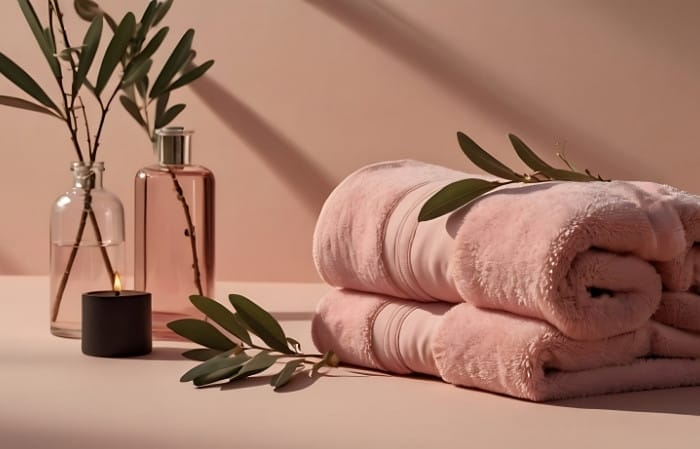
The company has successfully positioned itself as a primary supplier for global retail giants like Walmart, Target, and IKEA. Their core strength is their specialized focus on terry towels and bath products, maintaining quality standards that are difficult to replicate at their massive scale. In 2026, Feroze1888 remains the dominant exporter of bath textiles, leveraging years of expertise in high-absorbency fabrics.
Official Website: https://www.feroze1888.com/
8. Yunus Textile Mills Limited
Founded in 1998, Yunus Textile Mills is part of the prestigious Yunus Brothers Group (YBG). It is a dominant force in the home textile sector, operating one of the largest vertically integrated bedding plants in the country.
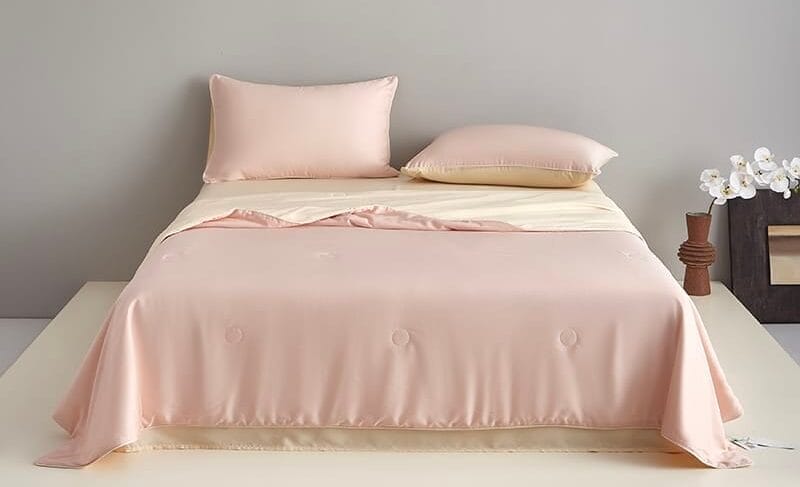
The company specializes in high-end bed linen and duvet covers, serving as a cornerstone for Pakistan’s home textile exports to the US and Europe. Their primary strength is their state-of-the-art weaving and processing capacity, which allows for the production of premium thread-count fabrics at scale. Yunus Textile is highly regarded for its consistency and reliability in the global home furnishings market.
Official Website: https://www.yunustextile.com/
9. Artistic Fabric & Garment Industries (AFGI)
AFGI is a vertically integrated denim manufacturer that specializes in high-fashion denim garments. While related to the broader Artistic family, it operates as a distinct powerhouse focusing on the garment-to-retail cycle.
The firm is recognized for its ability to produce trend-setting denim with complex finishes and treatments. Their 2026 operations are defined by advanced laser and ozone finishing techniques that significantly reduce chemical usage. AFGI bridges the gap between industrial-scale production and artisanal fashion, making them a favorite for high-street and luxury fashion labels.
Official Website: https://www.artisticgarment.com/
10. Masood Textile Mills
Established in 1984 in Faisalabad, Masood Textile Mills is one of the few organizations in the country with a truly vertical setup, including its own spinning, knitting, and processing units.
The company is a master of the knitwear segment, providing a seamless “fiber to garment” experience for international buyers. Their location in Faisalabad, the heart of Pakistan’s textile region, provides them with a unique advantage in raw material procurement and labor expertise. Masood Textile is known for its agility and ability to handle diverse knitted products, from sportswear to everyday essentials.
Official Website: https://www.masoodtextile.com/
QL Textiles: A Leading Textile Company from China
China remains the global leader in textile innovation, particularly in the production of synthetic fibers, high-tech fabrics, and industrial textiles. Chinese companies are known for their massive economies of scale, cutting-edge automation, and the ability to produce complex fabric blends that are difficult to replicate elsewhere.
QL Textiles is a prominent example of this Chinese manufacturing excellence. QL Textiles offers a diverse range of high-quality textile products for hospitality, blending traditional expertise with 2026’s most advanced machinery. For global buyers looking for a reliable partner that offers both technical innovation and cost-effective production, QL Textiles provides world-class solutions.
Conclusion
Pakistan’s textile industry in 2026 is defined by resilience and modernization. These top 10 companies represent the best in global manufacturing, providing world-class products while uplifting the national economy through employment and innovation.
If you are looking for high-quality hospitality textile solutions and professional service, we invite you to reach out. Request a quote today and get a response within 24 hours: Contact QL Textiles
FAQs
How many textile mills are in Pakistan?
According to recent data from the All Pakistan Textile Mills Association (APTMA), there are approximately 450 to 500 active textile mills in the country. This includes a mix of specialized spinning mills and massive, vertically integrated composite units.
Which city is famous for the textile industry in Pakistan?
Faisalabad is internationally recognized as the “Manchester of Pakistan” due to its dense concentration of textile factories and trading hubs. However, Karachi serves as the primary export port and a major center for the denim industry.
How to start a textile business in Pakistan?
Starting a textile business requires registration with the Securities and Exchange Commission of Pakistan (SECP) and the Federal Board of Revenue (FBR). Success in today’s market depends on securing stable energy and adopting automated technology to meet global standards.
Related reading:
Conclusion
As of 2026, the Pakistani textile industry remains the backbone of the national economy, contributing over 60% of total export
Leave a Comment
 Feb 25, 2026